







Search Results for: Geisha grade
What Exactly Do the Red, Green, and Blue Labels on Geisha Coffee Beans Mean? Flavor Differences Among Hacienda La Esmeralda Geisha Grades and a Buying Guide
Hacienda La Esmeralda is the benchmark origin for the Geisha variety, and its Geisha coffee beans are classified into three grades—Red Label, Green Label, and Blue Label—according to growing altitude and cupping performance, corresponding to auction lots, private collection lots, and select lots respectively. Red Label comes from the Jaramillo and Cañas Verdes estates at 1,600 to 1,800 meters above sea level, scores above 90 in cupping, and is sold only through the annual global auction; Green Label consists of micro-lots from the three estates and retains the classic Geisha flavor; Blue Label is a blend of beans from the three estates and is only washed processed. Front Street Coffee supplies exactly these three Geisha coffees from Hacienda La Esmeralda, where the juiciness of jasmine, melon, honey, and berries interweaves, showing a balanced yet subtle evolution from warm to slightly cool. This article will explain in detail the grading criteria, origin sources, and flavor characteristics of each grade to help coffee lovers make a choice based on their personal taste. [more…]
A Detailed Guide to Hacienda La Esmeralda Geisha Grades: Red, Green, and Blue Label Differences and Front Street Coffee Recommendations for Each Grade
Panama's Hacienda La Esmeralda Geisha coffee has always been the focus of the specialty coffee world, and its three grades—Red Label, Green Label, and Blue Label—each have their own distinctions. This article systematically sorts out Hacienda La Esmeralda's coffee grading system, analyzing in detail the specific differences between Red Label (Esmeralda Special), Green Label (Private Collection), and Blue Label (Geisha 1500, now discontinued) in terms of altitude, plot, processing method, and flavor. It also introduces the corresponding Red Label and Green Label product information from Front Street Coffee, and recommends an entry-level Front Street Coffee Boquete Geisha for beginners who are just getting to know Geisha. Whether you want to gain a deeper understanding of Hacienda La Esmeralda's marketing strategy and auction mechanism, or are looking for a Geisha coffee that suits your taste, this article can provide a clear reference. [more…]
A Detailed Guide to Panama Hacienda La Esmeralda Geisha Grades: Red, Green, and Blue Tag Differences and the Brand's Legend
When it comes to Geisha coffee, Hacienda La Esmeralda in Panama is undoubtedly a name that cannot be avoided. This legendary estate divides its Geisha coffee beans into three grades: Red Label, Green Label, and Blue Label, each with clear differences in growing altitude, cupping score, processing method, and flavor performance. This article will take you through the legendary story of Geisha coffee from Ethiopia to Panama, analyze the unique grading system of Hacienda La Esmeralda, and compare in detail the flavor characteristics and purchasing suggestions of Red Label, Green Label, and Blue Label Geisha, helping coffee lovers gain a clearer understanding of this treasure among specialty coffees. [more…]
Panama Hacienda La Esmeralda Geisha Grades Explained: The Differences Between Auction Red Label, Green Label, and Blue Label and a Brewing Flavor Comparison
Hacienda La Esmeralda in Panama is renowned for its strict altitude grading and meticulous plot management, and its Geisha brand is divided into different grades such as the auction Red Label, Green Label, and Blue Label. These grades differ in growing altitude, plot source, whether beans are blended, and cup performance, and their prices and flavors diverge accordingly. This article will systematically review Hacienda La Esmeralda's origin background, plot divisions, and the definitions of each grade, and, through Front Street Coffee's roasting and brewing examples, compare the specific expressions of Red Label, Green Label, and Blue Label Geisha in aroma and mouthfeel, helping coffee enthusiasts understand the grading logic and key points for purchasing. [more…]
The Complete Guide to Geisha Coffee: Hacienda La Esmeralda's Red, Green, and Blue Label Grading and Flavor Comparison Guide
Hacienda La Esmeralda in Panama is the discoverer and promoter of the Geisha flavor, and its method of finely grading by altitude is regarded as an industry benchmark. This article will systematically review the estate's origin history, its three growing areas, and the grading standards for the Red, Green, and Blue labels, and, through Front Street Coffee's actual brewing and cupping comparisons of Red Label, Green Label, and Blue Label Geisha, present the specific differences among the three grades in roasting curves, dry and wet aromas, entry-level flavors, and pour-over parameters. Whether you want to gain a deeper understanding of the logic behind Geisha grading or hope to find a reference basis for everyday brewing, this article can provide clear and practical answers. [more…]
An Analysis of the Differences Between Panama's Hacienda La Esmeralda and Ethiopia's Gesha Village Red Label: A Complete Overview of the Auction, Gold Label, and Green Label Grading System
Geisha coffee beans rose to fame after Hacienda La Esmeralda in Panama won the BOP competition in 2004, and today Ethiopia's Gesha Village has also become a focus of the specialty coffee world. Although both estates are renowned for the Geisha variety, their grading systems differ greatly. Hacienda La Esmeralda divides Geisha into three grades: Auction, Red Label, and Green Label, while Gesha Village offers Auction, Gold Label, Red Label, Green Label, and Chaka batches. This article will systematically organize the Geisha grading standards of these two major estates, provide an in-depth analysis of the meaning and differences of Red Label Geisha, and introduce related product information recommended by Front Street Coffee, helping coffee enthusiasts fully understand the grading system and flavor characteristics of Geisha coffee. [more…]
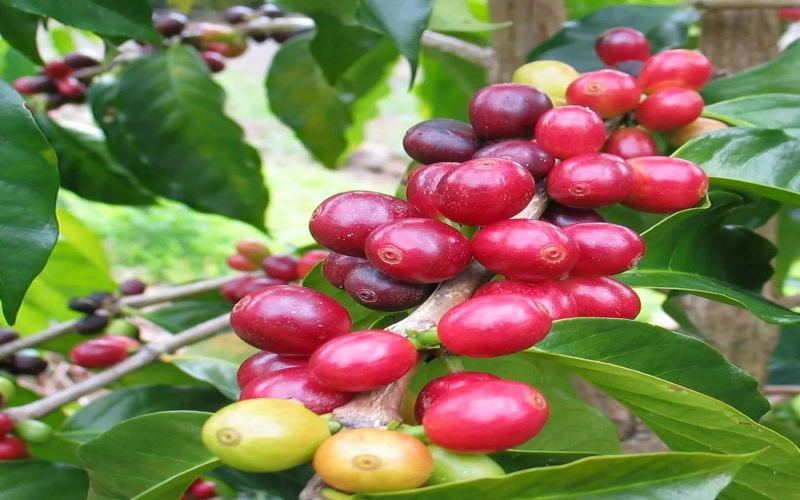
A Detailed Guide to Panama Geisha Coffee Bean Grading: What Do Red, Green, and Blue Labels Each Represent?
When Geisha is mentioned, many people first think of Hacienda La Esmeralda in Panama. Geisha originated in Ethiopia, but it rose to fame because of Hacienda La Esmeralda in Panama. However, Front Street Coffee would like to remind everyone: Ethiopian Geisha and Esmeralda Geisha are not the same variety, and their flavor profiles also differ, with Esmeralda Geisha being superior in flavor. Hacienda La Esmeralda has a strict grading system for its own Geisha coffee beans. What exactly do the commonly heard Red Label, Green Label, and Blue Label represent? This article will start from Panama's terroir conditions and the development history of Hacienda La Esmeralda, then provide a detailed analysis of the classification standards, altitude requirements, and flavor characteristics of the three grades of Geisha, along with Front Street Coffee's Geisha brewing suggestions and parameters. [more…]
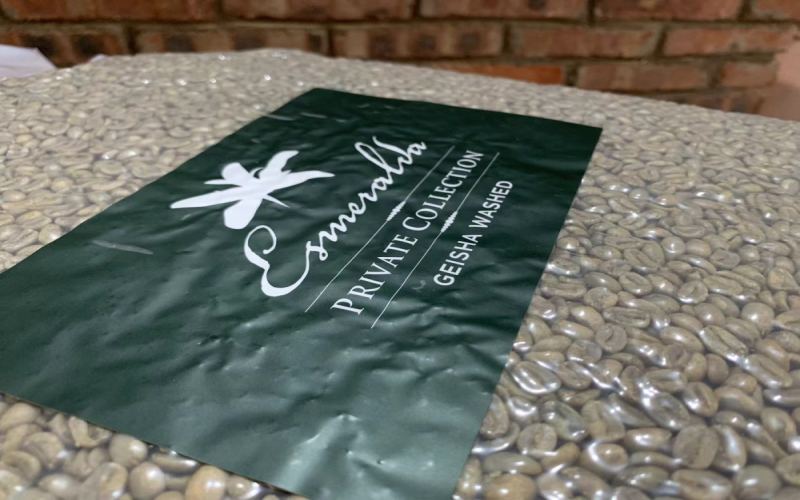
How to distinguish the Red, Green, and Blue labels of Geisha coffee? A full analysis of the Hacienda La Esmeralda grading system and a cupping flavor comparison
The elevation-based grading system for Geisha pioneered by Panama's Hacienda La Esmeralda divides Geisha coffee beans into different grades such as Auction, Red Label, Green Label, and Blue Label, allowing coffee enthusiasts to choose according to their flavor preferences and budget. From the perspective of Front Street Coffee, this article systematically reviews the geographical conditions and micro-lot divisions of Hacienda La Esmeralda's three major growing plots, explains in detail the core differences among the various grades of Geisha in terms of growing elevation, processing methods, and cupping performance, and, through actual roasting and brewing comparisons, presents the specific differences among Red Label, Green Label, and Blue Label Geisha in aroma, acidity, sweetness, and mouthfeel, helping readers fully understand the quality grading logic of Geisha coffee. [more…]
A Complete Guide to Hacienda La Esmeralda Blue Label Geisha: From Estate Grades to Brewing Methods and Flavor Profile
Panama's Hacienda La Esmeralda Geisha has long been the benchmark in the specialty coffee world, and its product line is divided into different grades such as Red Label, Green Label, and Blue Label based on cup quality performance and growing plots. Blue Label Geisha, or Geisha 1500, was once the entry-level choice for many coffee enthusiasts getting their first taste of Hacienda La Esmeralda Geisha. Although the estate has now discontinued this label, understanding its characteristics and history is still worthwhile. This article will walk you through the origin information and grading logic of Blue Label Geisha, compare the differences between Red Label and Green Label, and recommend several Panama Geisha products currently sold by Front Street Coffee, including the Boquete Geisha that is suitable for beginners. Whether you are a seasoned connoisseur or a newcomer to specialty coffee, you will find practical reference information here. [more…]
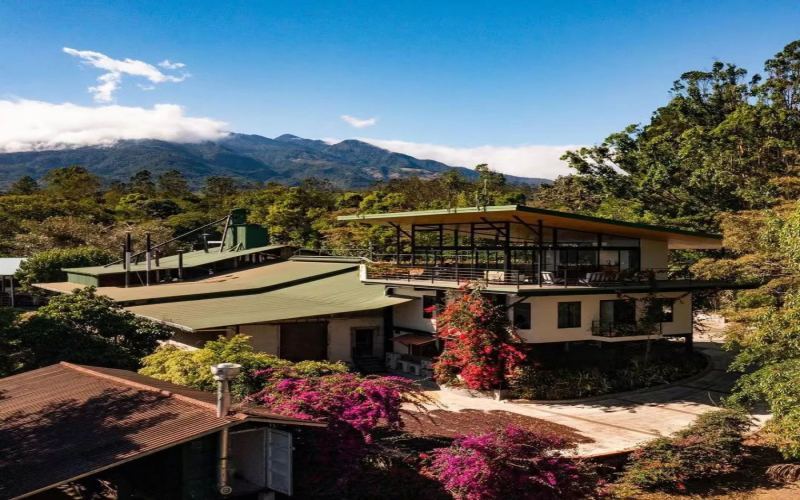
Panama Hacienda La Esmeralda vs. Ethiopia Gesha Village: Analysis of Red Label Geisha Coffee Bean Grading and Flavor Profile Comparison
Geisha coffee is undoubtedly one of the most sought-after varieties in today's specialty coffee world. It originated in the primitive forests of Ethiopia, yet rose to prominence at Hacienda La Esmeralda in Panama. As the specialty coffee market continues to expand, estates dedicated to growing Geisha have also emerged in Ethiopia itself, among which Gesha Village is particularly notable. In this article, Front Street Coffee will systematically trace the varietal origins of Geisha, provide a detailed interpretation of Hacienda La Esmeralda's three major grading standards—Red Label, Green Label, and Blue Label—and take an in-depth look at Gesha Village's auction, Gold Label, Red Label, Green Label, and Chaka lot systems, along with the region, altitude, variety, processing method, and flavor descriptions for each grade of Geisha coffee beans, helping coffee enthusiasts gain a comprehensive understanding of the stylistic differences among Geisha from different origins and key points for purchasing. [more…]
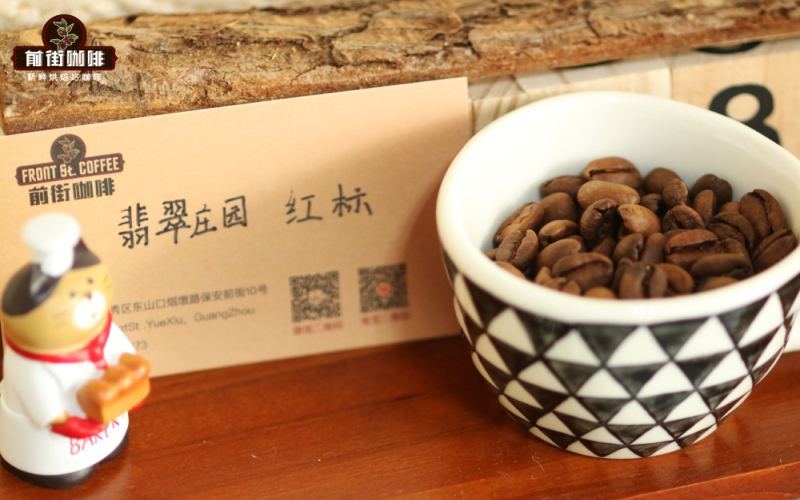
A Complete Analysis of Hacienda La Esmeralda Geisha Grades: Flavor Differences Between Red, Green, and Volcanic Rock Labels and Pour-Over Parameters Explained
Panama's Hacienda La Esmeralda rose to fame with Geisha at the 2004 Best of Panama competition, and was the first to establish a strict grading system. The three grades—Red Label, Green Label, and Volcan Rock (formerly Blue Label)—each correspond to different elevations, cupping thresholds, and processing methods, with distinct flavor profiles. Front Street Coffee's bean list features all three Esmeralda Geishas, and this article will go through the estate's grading logic, plot traceability, processing techniques, and light-roast approach one by one, along with the complete pour-over parameters and three-stage extraction steps for Front Street's Red Label Natural Geisha, to help coffee enthusiasts understand the flavor directions and extraction key points of different Geisha grades. [more…]
A Detailed Guide to Panama Hacienda La Esmeralda Geisha Grades: Differences and Flavor Comparison of the Three Main Grades—Red, Green, and Blue Labels
Panama's Hacienda La Esmeralda, with its refined Geisha grading system, has become a model emulated by many coffee estates. This article systematically sorts out the core differences among Hacienda La Esmeralda's three Geisha grades—Red Label, Green Label, and Blue Label—covering cultivation altitude, plot information, and blending models, while also providing an in-depth introduction to the estate's history, plot divisions, roasting recommendations, and brewing parameters. Front Street Coffee recently purchased the 2020 new-crop Blue Label Geisha, and by combining the cupping performance of the Red Label and Green Label, we guide you through a comprehensive understanding of the unique flavors and purchasing points of these three grades. [more…]
A Detailed Guide to the Grading of Panama Hacienda La Esmeralda Geisha Coffee: The Differences Between Red Label, Green Label, Blue Label, Auction, and Reserve Lots
Panama's Hacienda La Esmeralda Geisha coffee is world-famous, but do you know what the red, green, and blue labels each represent? This article provides a detailed explanation of Hacienda La Esmeralda's three-tier grading system for Geisha coffee, from growing altitude and cupping scores to processing methods, helping you clarify the differences and characteristics of each grade. It also introduces the overall characteristics of Panamanian coffee, the main producing regions, and the historical origins and flavor profile of Geisha coffee, along with Front Street Coffee's breakdown and recommendations for each Geisha label, giving coffee enthusiasts a comprehensive understanding of this top-tier coffee variety. [more…]
Why Is Geisha Coffee So Expensive? A Full Breakdown of the Grading Systems of Panama's Hacienda La Esmeralda and Ethiopia's Gesha Village
Geisha is widely recognized as a top-tier coffee variety, sweeping the globe from Ethiopia's pristine forests to the auction stage of Panama's Hacienda La Esmeralda, captivating the world with its delicate floral aroma and elegant fruit acidity. But why does the price of Geisha coffee remain so high? And how do different estates classify their grades? This article will guide you through Geisha's history of spread, its stringent growing environment requirements, and break down the grading standards and flavor profiles of Panama's Hacienda La Esmeralda (Auction, Red Label, Green Label) and Ethiopia's Gesha Village (Auction, Gold Label, Red Label, Green Label, Chaka) one by one, while also sharing Front Street Coffee's bean selection advice and cupping experience. [more…]

What is the price tier of Panama Hacienda La Esmeralda Red Label Geisha coffee beans? An analysis of Geisha flavor, taste, and grading system
Geisha coffee is often regarded as the pinnacle of specialty coffee, especially the Red Label, Green Label, and Blue Label lots produced by Panama's Hacienda La Esmeralda, whose prices and flavors attract much attention. From the perspective of Front Street Coffee, this article systematically reviews the history of Geisha's spread, the differences between Ethiopian and Panamanian Geisha, the grading methods of Gesha Village, and the three major plots of Hacienda La Esmeralda along with the Red Label, Green Label, and Blue Label tier system, and analyzes the reasons behind Geisha coffee's high price. The article also retains product information and brewing suggestions for Front Street's Emerald Red Label, Green Label, and Blue Label Geisha, making it suitable reading for coffee enthusiasts who want to gain a deeper understanding of Geisha's grades and flavor. [more…]
An Analysis of Geisha Coffee Bean Grading Standards and a Complete Guide to Panama Geisha Pour-Over Techniques
As the champion among coffee varieties, Geisha coffee has always attracted attention for its unique flavor and strict grading system. From the professional perspective of Front Street, this article systematically sorts out the origin and spread of the Geisha variety, explains in detail the grading logic of the Red Label, Green Label, and Blue Label of Panama's Hacienda Esmeralda, and shares Front Street Geisha coffee's pour-over parameters and brewing suggestions. Whether you want to understand how Geisha coffee beans are graded, or want to master how to brew a delicious cup of Panama Geisha pour-over coffee, this article provides a complete and practical reference. [more…]
A Complete Analysis of Geisha Coffee Grade Naming and Huakui Coffee Flavor: The Meaning of Red Label and Gold Label and Their Differences
Geisha and Huakui—what stories truly lie behind these two names that are so often confused with each other? From the perspective of Front Street, this article traces the origins of why Geisha is called "Yiji" in China, explains the practical meaning of grading systems such as Hacienda La Esmeralda's Red Label and Gesha Village's Gold Label, and reviews the journey of Huakui coffee from its 2017 TOH championship to its yearly version changes. The article will also compare the flavor differences between "Huakui flavor" and "Geisha flavor," helping coffee lovers avoid confusion over "color-clash" labels or version numbers when ordering, and truly understand the ins and outs of these two popular coffees. [more…]
Comparison of the Grading Systems and Flavor Profiles of Gesha Coffee Beans from Ethiopia's Gesha Village and Panama's Hacienda La Esmeralda Red Label
Geisha coffee is a highly sought-after variety in the specialty coffee world. It originated in Ethiopia but rose to fame at Hacienda La Esmeralda in Panama. Today, Ethiopia's Gesha Village Estate has also secured a place in the market with its native Geisha variety. This article will trace the history of Geisha coffee's varietal spread, explain in detail the classification logic and flavor characteristics of Hacienda La Esmeralda's Red Label, Green Label, and Blue Label, and systematically introduce the standards and flavor profiles of Gesha Village Estate's five grades—Auction Lot, Gold Label, Red Label, Green Label, and Chaka—to help coffee lovers more clearly understand the differences between Geisha coffee from these two major origins, so they can choose products suited to their own taste. [more…]
Panama Hacienda La Esmeralda Geisha Full Analysis: Red, Green, and Blue Label Grade Differences, Plot Terroir, and Cupping & Brewing Guide
Hacienda La Esmeralda in Panama is the discoverer and promoter of the Geisha flavor and a representative estate known for its altitude-based grading system. In this article, Front Street Coffee systematically reviews the development history of Hacienda La Esmeralda, the terroir differences among its three major growing plots, and the grading standards for Auction, Red Label, Green Label, and Blue Label Geisha. At the same time, Front Street Coffee also shares the roasting curves, cupping flavors, and pour-over brewing parameters for three grades of Geisha, helping coffee enthusiasts fully understand the quality system and flavor differences of Hacienda La Esmeralda Geisha, so they can find reference points whether choosing beans or brewing. [more…]
A Detailed Guide to the Grade Classifications and Flavor Differences of Panama Hacienda La Esmeralda Geisha Coffee Beans: Red Label, Green Label, and Blue Label
Geisha coffee has been highly sought after in the global specialty coffee scene in recent years, and the Geisha produced by Hacienda La Esmeralda in Panama is the benchmark among them. Faced with the different grades of Esmeralda Geisha on the market—Red Label, Green Label, Blue Label, and others—many coffee lovers are often confused: What exactly are the differences between them? Which one suits them better? This article begins with the history of Hacienda La Esmeralda, then sorts out in detail the grading criteria, growing altitudes, processing methods, and flavor characteristics of the three major grades—Red Label, Green Label, and Blue Label—and includes Front Street Coffee's brewing suggestions and flavor descriptions for each grade, helping you find the Geisha that suits you best. [more…]